Why Experience Matters Most When the Project Stops Going According to Plan
Architecture projects rarely unfold with perfect predictability.
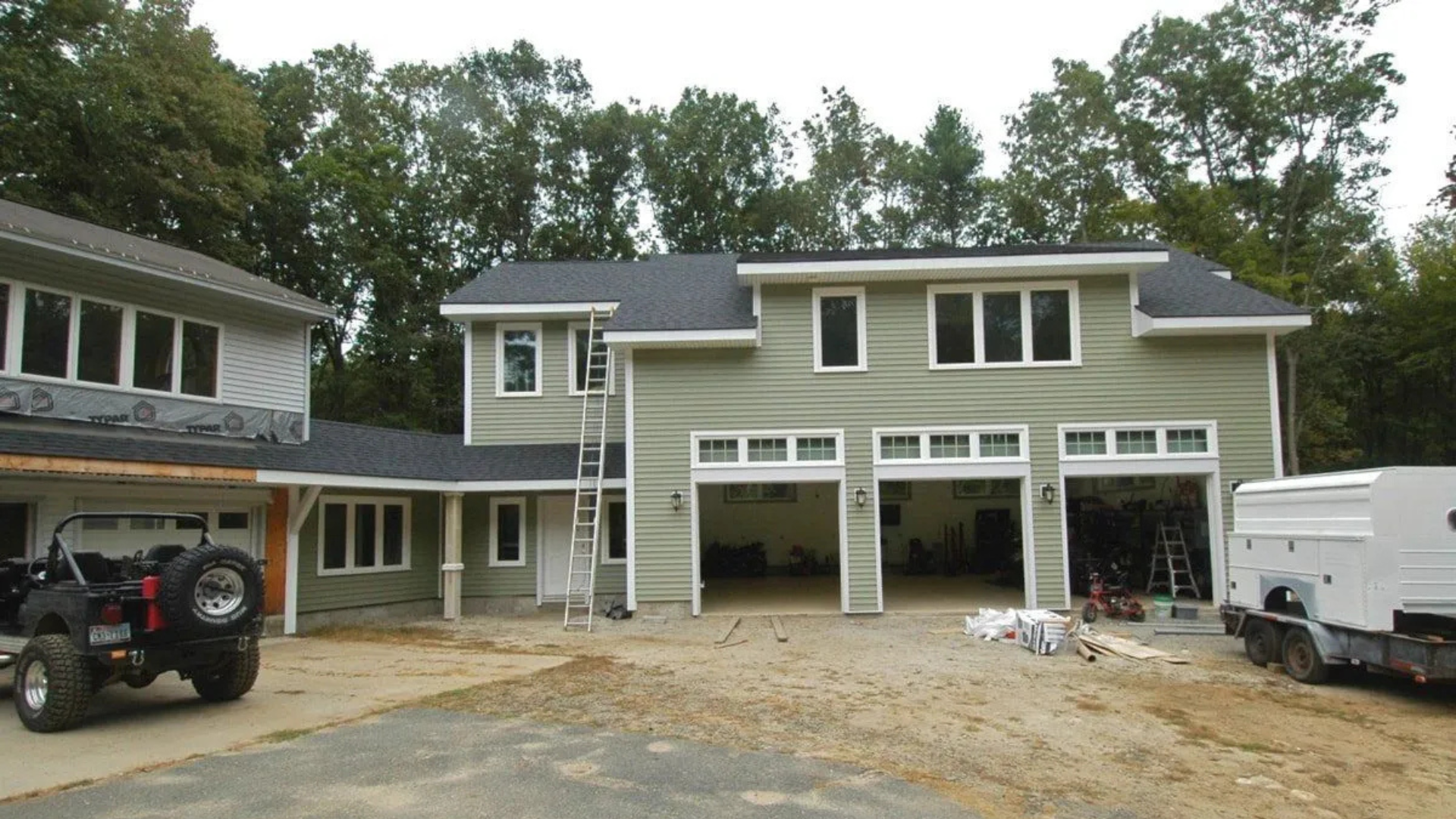
A wall is opened and reveals something unexpected. Existing conditions do not match old drawings.
A product is unavailable. A contractor raises a question that requires a fast decision. A code issue changes part of the plan.
These moments are where experience becomes especially valuable.
Good design matters from the beginning, but judgment often matters most when the project stops following the original script.
Experience Helps Separate Big Problems From Small Ones
Not every surprise deserves the same response.
Some issues require an immediate redesign.
Others may look serious at first but can be resolved with a relatively simple adjustment.
An experienced architect has a broader frame of reference.
After working through many different projects, it becomes easier to recognize which problems are truly significant, which ones are common, and which ones can be solved without disrupting the overall design.
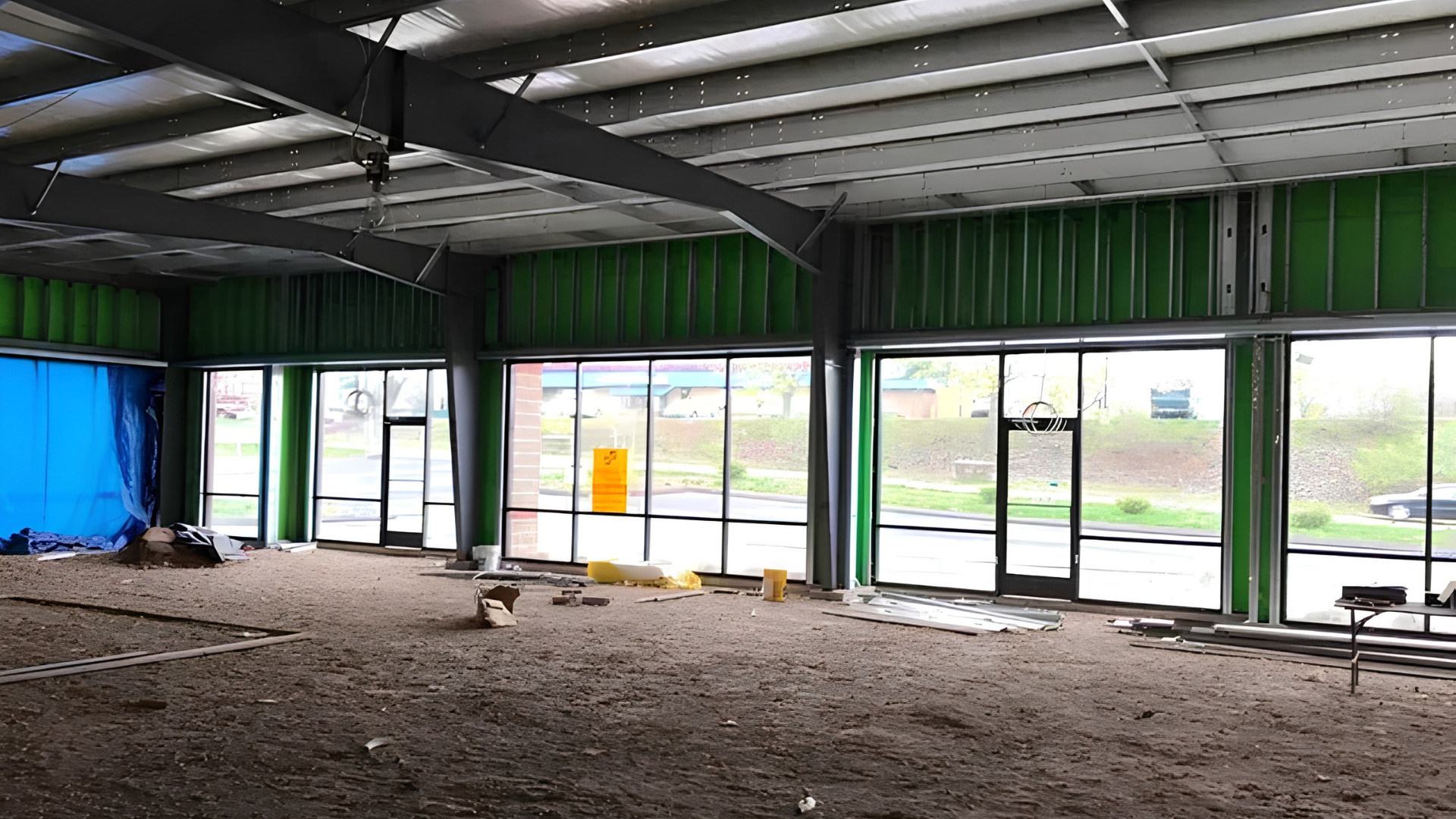
Existing Buildings Can Be Full of Surprises
Renovations are especially unpredictable.
Older homes may contain framing that was changed decades ago, utilities routed through unexpected locations, hidden water damage, structural modifications, or construction details that were never documented.
Even careful planning cannot reveal everything before work begins.
Once construction exposes those conditions, decisions may need to happen quickly.
The architect has to understand what the discovery means, how it affects the design, and what alternatives are available.
That is where practical experience becomes just as important as drawing ability.
Good Decisions Protect the Larger Design
When something changes during construction, the easiest solution is not always the best one.
A quick adjustment may solve one problem while creating another.
Moving a wall might affect furniture placement.
Changing a window could alter the exterior composition.
Substituting a material may change dimensions, detailing, or durability.
An experienced architect keeps the larger project in view.
The goal is to resolve the immediate issue without losing the qualities that made the original design work.
Experience Can Help Control Expensive Ripple Effects
Late changes tend to affect more than one part of a project.
A revised structural detail may change mechanical work.
A product substitution may affect framing.
A different fixture can alter plumbing or electrical requirements.
That is why one seemingly small decision can create a chain of additional costs.
Architectural experience helps identify those consequences before a change is approved.
That knowledge can help clients understand the tradeoffs before committing to a solution.
Communication Matters When Pressure Increases
Unexpected problems also test the relationship between the architect, client, and contractor.
When construction is moving, people want answers.
The architect needs to explain the issue clearly, present realistic options, and help the client understand the implications of each choice.
That requires more than technical knowledge.
It requires the ability to stay calm, organize information, and guide a decision without making the situation feel more complicated than it already is.
A strong architect-client relationship becomes especially valuable at moments like these.
Construction Administration Keeps the Architect Involved
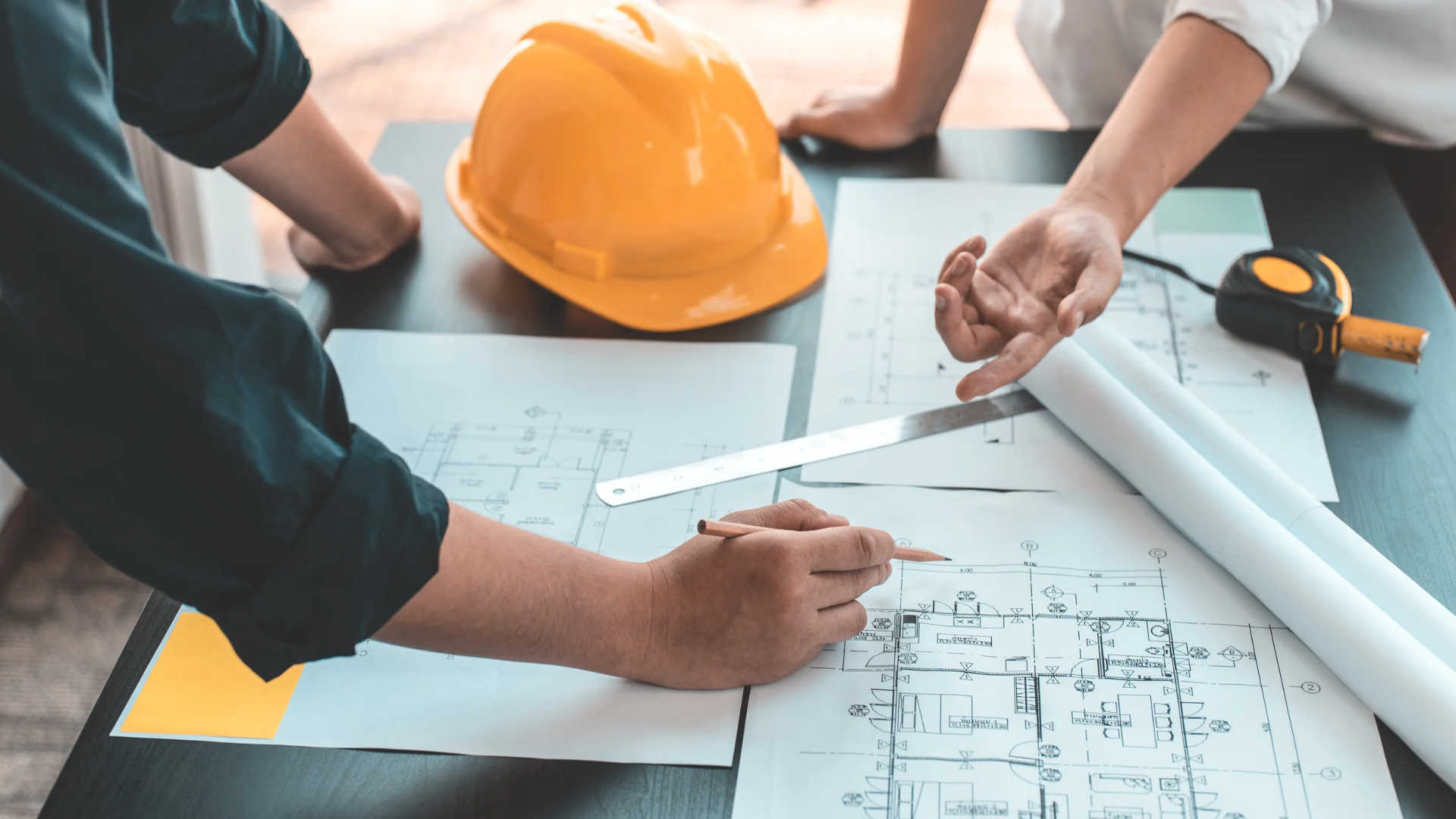
The architect's role should not necessarily end when the drawings are issued.
Construction administration allows the architect to remain involved as questions arise, review work in relation to the design, respond to field conditions, and help resolve discrepancies.
That continuity can be particularly important on complex renovations and custom homes.
The person who helped shape the project from the beginning understands why certain decisions were made and can help protect that intent during construction.
Experience Is Really Judgment Earned Over Time
Thirty years of experience is not valuable simply because of the number.
Neither are 500 completed projects.
The value comes from what those projects teach.
Each one adds another lesson about materials, coordination, clients, contractors, budgets, sites, existing buildings, and unexpected conditions.
Lasse Aspelin & Associates brings more than 30 years of architectural experience and 500+ completed projects to clients throughout Connecticut, Western Massachusetts, and Southern New England.
When a project changes course, that experience can help turn an unexpected problem into a thoughtful next decision rather than a costly reaction.