Why Value Engineering Should Protect the Design, Not Strip It Down

November 12, 2026

Value engineering is often misunderstood.


Some homeowners hear the phrase and assume it means cutting quality, eliminating character, or reducing a thoughtful design to the cheapest possible version.


It does not have to mean any of those things.


Done well, value engineering is about protecting the parts of a project that matter most while finding smarter ways to manage cost, complexity, and construction decisions.


That requires judgment.


For Lasse Aspelin & Associates, more than 30 years of experience and 500+ completed projects provide the perspective needed to know where a design can adapt without losing what makes it work.


Start With the Design Priorities

Before making cuts, the team needs to understand what the project is trying to accomplish.


Maybe natural light is the most important feature.


Maybe the goal is better circulation.


Maybe the addition needs to feel seamless with the original house.


Maybe the client cares most about long-term durability or a particular architectural character.


Those priorities should guide every value-engineering decision.


Without them, cost cutting can become random.


A lower-cost choice may look good on paper but undermine the larger design.
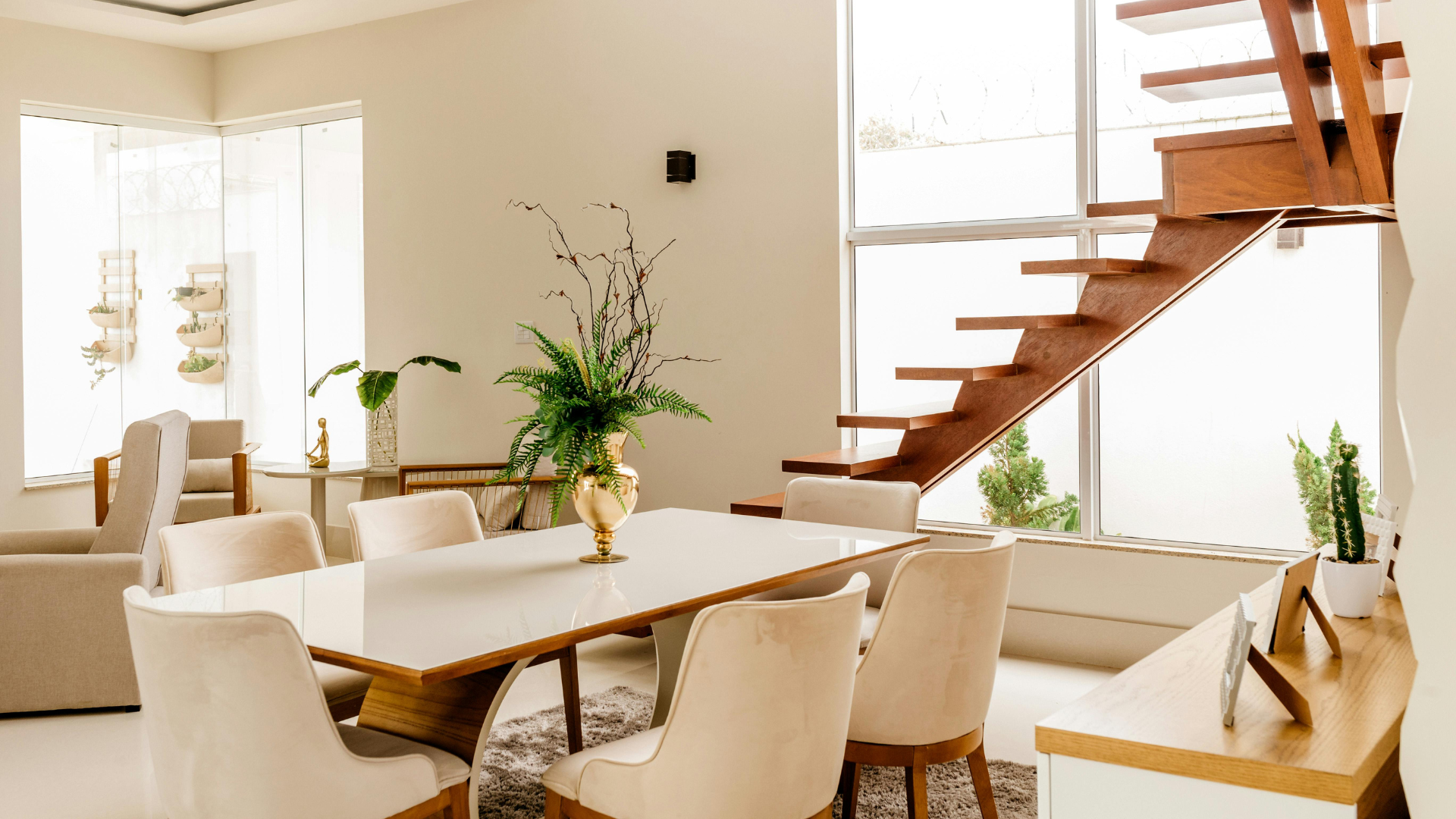
Bright dining room with wooden table, cream chairs, plants, and a floating staircase by large windows

Not Every Dollar Has the Same Impact

Some project costs have a much greater visual or functional impact than others.


Changing a finish in a secondary room may have little effect on the overall result.


Reducing window size in a major living space could completely alter the quality of the room.


Changing a complicated built-in detail may be reasonable.


Compromising the proportions of an addition may not be.


The key is understanding where the investment creates real value.


Lasse Aspelin & Associates helps clients distinguish between decisions that can be simplified and decisions that should be protected.


Simpler Can Still Be Better

Value engineering does not always mean choosing something cheaper.


Sometimes it means choosing something simpler.


A complicated roof form may be replaced with a cleaner geometry that is easier to build and still architecturally strong.


A custom detail may be redesigned to use more standard materials.


A floor plan may be adjusted to reduce unnecessary circulation while improving function.


Those changes can lower construction complexity without weakening the concept.


In some cases, the simplified solution can actually make the design clearer.
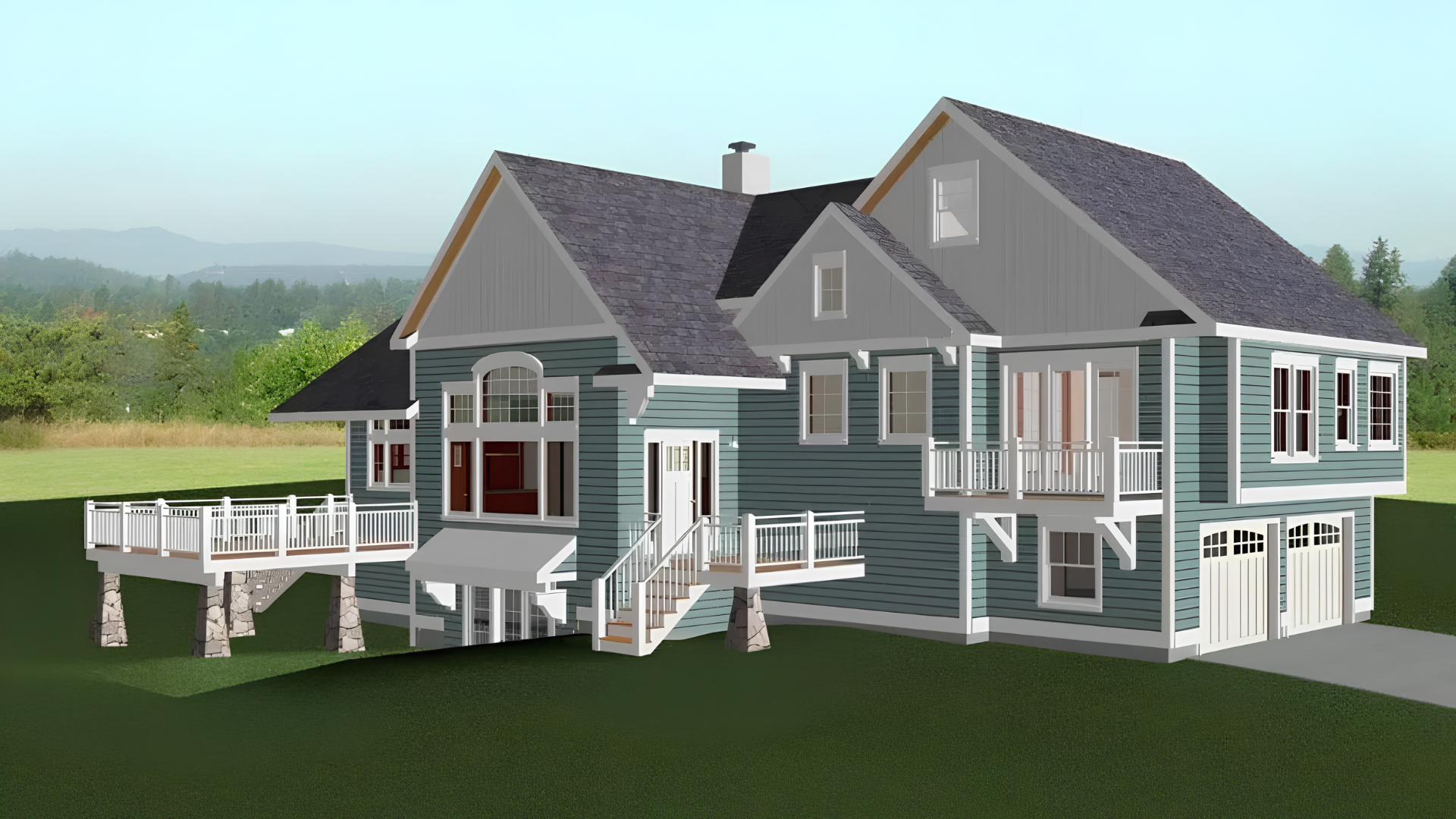
Large gray suburban house with white trim, multiple gables, and a wraparound porch on a grassy lot, work of Lasse Aspelin & Associates

Early Decisions Matter Most

Value engineering works best when it happens early.


If cost concerns are addressed during design, there is more flexibility to rethink materials, dimensions, systems, and details.


Late changes are usually harder.


By the time construction has started, substitutions may affect drawings, permits, schedules, subcontractors, and previously completed work.


That can create new costs while trying to reduce old ones.


An experienced design team can help identify areas of potential savings before those choices become expensive to change.


Look at the Whole Project

One isolated decision can affect several others.


Changing a window may alter exterior proportions, interior light, trim details, and structural requirements.


Reducing the size of an addition may affect circulation or furniture placement.


Changing a roofing material may influence siding and trim selections.


That is why value engineering should consider the entire project rather than treating every line item independently.


Lasse Aspelin & Associates approaches the work as a coordinated design problem, not simply a list of costs to reduce.
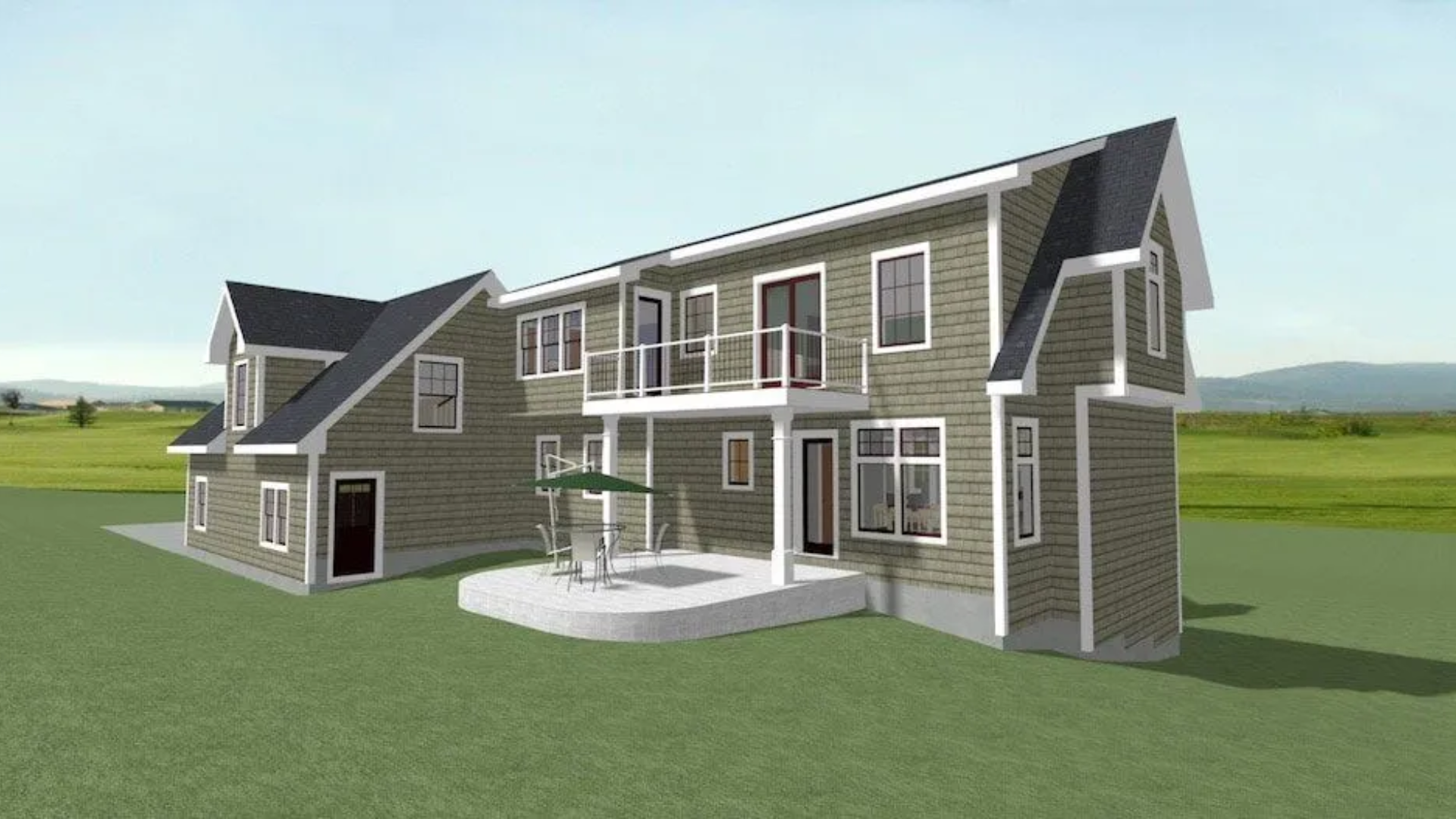
3D rendering of a gray two-story suburban house with porch, white trim, and lawn in front, work of Lasse Aspelin & Associates

Protect Long-Term Value

A short-term savings can become expensive if it leads to higher maintenance, premature replacement, or a result that no longer meets the client’s needs.


Durability matters.


So does flexibility.


If a lower-cost decision creates a space that functions poorly or needs to be redone later, the initial savings may not represent good value.


Thoughtful value engineering weighs both immediate cost and long-term performance.


Experience Helps Identify the Right Compromises

After more than 500 completed projects, patterns become easier to recognize.


An experienced architect can often see which changes are likely to preserve the project and which ones may create regret later.


That judgment is especially valuable when a client has to choose between several competing priorities.


The goal is not to avoid compromise.


Every real project involves compromise.


The goal is to make the right compromises.
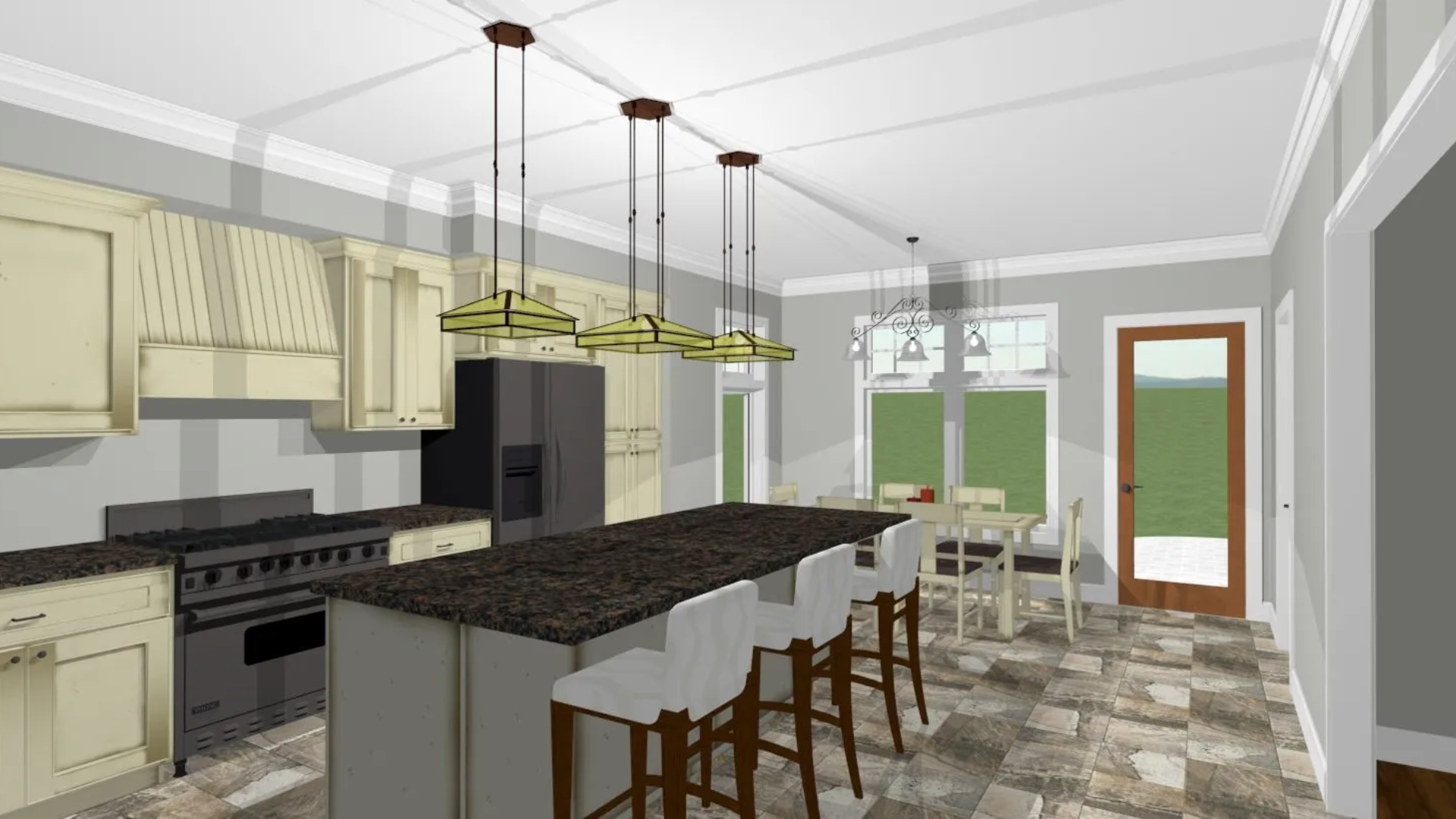
Bright modern kitchen with island seating, pendant lights, cream cabinets, and a tiled floor, work of Lasse Aspelin & Associates

Save Money Without Losing the Project

Value engineering should not remove the qualities that made the design worth building in the first place.


It should protect those qualities while finding smarter ways to deliver them.


Lasse Aspelin & Associates brings more than 30 years of experience and 500+ completed projects to custom homes, additions, renovations, light commercial design, planning, project management, interior design, and construction administration.


When budget adjustments become necessary, the firm helps clients focus on value rather than simply reducing cost, preserving the strongest parts of the design while adapting the rest with care.
November 20, 2026
Winter changes the way a home feels. As daylight hours become shorter and the sun sits lower in the sky, rooms that felt bright in summer may suddenly seem dim, cold, or disconnected from the outdoors . That seasonal shift can reveal design weaknesses that are easy to overlook during the brighter months.  Window placement plays a major role in how natural light enters a home, how rooms are used throughout the day, and how comfortable those spaces feel across different seasons.
November 8, 2026
A strong architectural process should begin with questions, not drawings. Before an architect starts sketching floor plans or discussing finishes, there is a more important task: understanding how the client lives, what the project needs to accomplish, what the site allows, and where the real priorities are. That early conversation can shape everything that follows.  For Lasse Aspelin & Associates, more than 30 years of experience and 500+ completed projects reinforce a simple point: better questions tend to lead to better design decisions.
November 2, 2026
Architecture projects rarely unfold with perfect predictability. A wall is opened and reveals something unexpected. Existing conditions do not match old drawings. A product is unavailable. A contractor raises a question that requires a fast decision. A code issue changes part of the plan. These moments are where experience becomes especially valuable. Good design matters from the beginning, but judgment often matters most when the project stops following the original script. Experience Helps Separate Big Problems From Small Ones Not every surprise deserves the same response. Some issues require an immediate redesign. Others may look serious at first but can be resolved with a relatively simple adjustment. An experienced architect has a broader frame of reference. After working through many different projects, it becomes easier to recognize which problems are truly significant, which ones are common, and which ones can be solved without disrupting the overall design.
October 23, 2026
A successful home addition should create more space without making the house feel divided into “old” and “new.” That sounds simple, but additions can be some of the most demanding residential design projects. The new space has to connect physically, visually, and functionally with a structure that was already shaped by another era, another floor plan, and sometimes another construction method. When the design is handled thoughtfully, the addition can feel natural.  It should look as though it belongs.
October 19, 2026
Designing a custom home or completing a major renovation is not a short conversation. It is a process that can involve months of meetings, decisions, revisions, coordination, budgeting, permitting, construction questions, and unexpected changes. That makes the relationship between the client and architect more important than many people realize at the beginning. A strong portfolio matters . Experience matters. Technical skill matters. But so does chemistry. When clients feel comfortable asking questions, expressing concerns, and being honest about what they want, the project usually has a stronger foundation. Good Design Depends on Honest Conversation An architect cannot design well for a client they do not understand. That understanding goes beyond preferred styles or inspiration photos. It includes how the client lives, how they use each room, how they entertain, where they need privacy, how much storage they need, what frustrates them about their current home, and what they hope the new space will improve. Those conversations are easier when the relationship feels comfortable and respectful. The client should feel heard without feeling that every first idea must be accepted without question. A good architect listens carefully , then uses experience to refine the idea.
October 10, 2026
When homeowners start planning a renovation, addition, or custom home, more square footage often seems like the obvious answer to space problems. Sometimes it is. But in many cases, a home can feel significantly larger without actually becoming much bigger. The difference often comes down to architectural planning. Room proportions, circulation, sightlines, ceiling height, window placement, storage, and the relationship between spaces can all change how generous a home feels.  An experienced architect can help clients identify where additional square footage is truly necessary and where better design may accomplish more.